 San
San Hair loss can be a distressing experience, affecting self-esteem and confidence. Among the various types of hair loss, telogen effluvium (TE) stands out as one of the most common yet temporary conditions. It typically arises due to stress or significant changes within the body, leading to noticeable thinning of hair. This article explores telogen effluvium in-depth, including its causes, symptoms, and potential treatments.
Contents
What Is Telogen Effluvium?
Telogen effluvium is a temporary form of hair loss caused by disturbances in the hair growth cycle. To understand this condition, it’s essential to grasp the three main phases of hair growth:
- Anagen (Growth Phase): This is the active stage of hair growth, during which cells in the hair follicle rapidly divide. Approximately 80–90% of your hair follicles are in this phase at any given time, lasting up to four years.
- Catagen (Transitional Phase): This short-lived phase marks the transition between growth and rest, where the lower portion of the hair follicle shrinks. Only 5% of hairs are in this stage.
- Telogen (Resting Phase): During this phase, hair follicles are dormant, and hair strands are eventually shed. Normally, around 5–10% of hair follicles are in the telogen phase.
In telogen effluvium, a significant percentage of hair in the anagen phase prematurely enters the telogen phase. This sudden shift results in excessive shedding, particularly noticeable a few months after the triggering event.
Types of Telogen Effluvium
Telogen effluvium can manifest in two forms:
Chronic Telogen Effluvium: This form persists for longer than six months and may not have a clear underlying cause. It often affects women aged 30–60 and results in diffuse thinning across the scalp.
Acute Telogen Effluvium: Hair shedding occurs two to three months after a triggering event and typically resolves within six months. In most cases, hair regrows without treatment.
Causes of Telogen Effluvium
Telogen effluvium is often linked to physiological or emotional stressors that disrupt the hair growth cycle. Common causes include:
- Physical Stressors:
- Major surgery
- High fever or severe illness (e.g., COVID-19)
- Childbirth (postpartum telogen effluvium)
- Significant weight loss or restrictive diets
- Chronic illnesses, such as thyroid disorders
- Emotional Stressors:
- Bereavement
- Relationship breakdowns
- Financial difficulties or major life changes
- Medications:
- Retinoids
- Beta-blockers
- Antidepressants
- Nonsteroidal anti-inflammatory drugs (NSAIDs)
- Nutritional Deficiencies:
- Low protein intake
- Iron deficiency
- Lack of essential vitamins like Vitamin D or biotin
- Hormonal Changes:
- Discontinuing birth control pills
- Hormonal imbalances, such as those caused by polycystic ovary syndrome (PCOS)
Symptoms of Telogen Effluvium
The hallmark symptom of telogen effluvium is increased hair shedding. Key signs include:
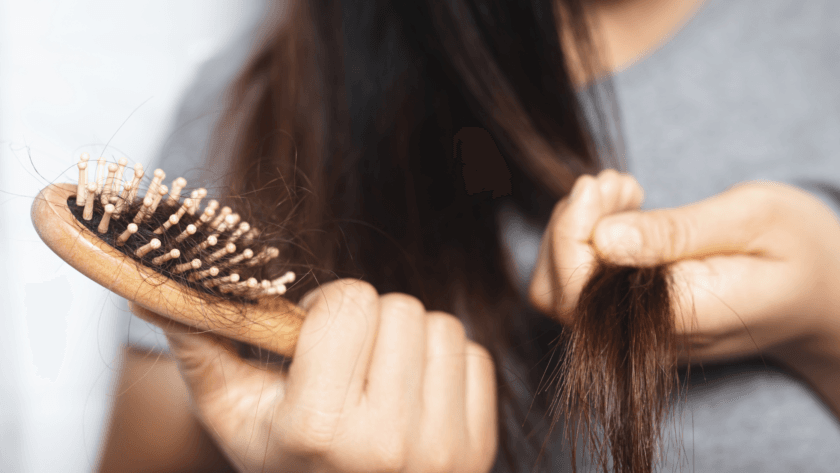
- Excessive Hair Loss: You may notice clumps of hair in the shower drain, on your pillow, or in your hairbrush.
- Thinning Hair: This is typically more pronounced on the crown or top of the scalp.
- Healthy Scalp: The scalp usually appears normal, without itching, redness, or flaking.
- Dry, Brittle Hair: Strands may feel weaker and break more easily.
Unlike other types of hair loss, telogen effluvium does not result in bald patches or a receding hairline.
How Is Telogen Effluvium Diagnosed?
Diagnosis of telogen effluvium is relatively straightforward. A healthcare provider will evaluate your medical history, recent stressors, and dietary habits. Diagnostic tools include:
- Pull Test: The provider gently pulls a small group of hairs (40–60) to assess the number of strands that shed. A higher-than-normal count (4–6 hairs) with white bulbs at the roots indicates telogen effluvium.
- Scalp Examination: A visual inspection ensures the absence of underlying scalp conditions.
- Blood Tests: These may identify deficiencies (e.g., iron, Vitamin D) or hormonal imbalances contributing to hair loss.
- Scalp Biopsy: In rare cases, a biopsy may be performed to rule out other conditions like alopecia areata or androgenic alopecia.
Treatment for Telogen Effluvium
Telogen effluvium is self-limiting in most cases, resolving naturally within three to six months. However, treatment can expedite recovery and improve hair health:
- Address Underlying Causes:
- Treat illnesses like hypothyroidism or infections.
- Correct nutritional deficiencies through diet or supplements.
- Medications:
- Minoxidil (Rogaine®): An over-the-counter topical solution that stimulates hair growth. However once you stop using minoxidil your new hair will fall off so if you have telogen effluvium is better try first other options.
- Iron Supplements: Essential for those with iron deficiency anemia.
- Biotin Supplements: Promote healthy hair and nails.
- Dietary Changes:
- Increase protein intake (40–60 grams per day).
- Incorporate nutrient-rich foods, including leafy greens, nuts, fish, and eggs.
- Stress Management:
- Practice relaxation techniques like yoga or meditation.
- Engage in regular exercise to reduce cortisol levels.
- Hairstyling Tips:
- Avoid harsh treatments like bleaching or heat styling.
- Opt for gentle hairstyles that do not pull on the scalp.
Prevention of Telogen Effluvium
While not all cases of telogen effluvium are preventable, certain lifestyle adjustments can minimize risk:
- Maintain a Balanced Diet: Focus on a Mediterranean-style diet rich in fruits, vegetables, lean protein, and healthy fats.
- Avoid Crash Diets: Sudden weight loss can trigger hair shedding.
- Manage Stress: Incorporate activities that promote mental well-being, such as journaling or therapy.
- Stay Hydrated: Proper hydration supports overall hair health.
- Sleep Well: Aim for 7–9 hours of quality sleep per night.
Prognosis and Outlook
The prognosis for telogen effluvium is highly favorable. Once the underlying stressor is resolved, hair regrowth typically begins within three to six months. Full recovery may take up to a year, depending on the severity of the hair loss. Chronic cases may require ongoing management, but they rarely result in complete baldness.
When to See a Doctor
Consult a healthcare provider if:
- Hair loss persists beyond six months.
- You notice other symptoms like scalp redness, itching, or pain.
- Hair loss is accompanied by significant nutritional deficiencies or illness.
Early intervention can help rule out more serious conditions and accelerate recovery.
Conclusion
Telogen effluvium can be a distressing experience, but it’s important to remember that the condition is temporary and often resolves with proper care. Understanding its causes and symptoms empowers individuals to take proactive steps toward treatment and prevention. If you’re experiencing sudden hair loss, addressing potential triggers and consulting a healthcare professional can pave the way to healthy hair regrowth.