 San
San Jojoba oil (pronounced ho-ho-ba) is more than just a trendy beauty ingredient — it’s a time-tested natural wonder that has transformed haircare routines for centuries. Originally used by the Indigenous Tohono O’odham people of the American Southwest, jojoba oil has made its way into modern haircare due to its nourishing, balancing, and protective qualities. But what exactly does jojoba oil do for your hair? And how should you incorporate it into your routine?
In this ultimate guide, we’ll explore the benefits of jojoba oil for hair and scalp, backed by history, science, and expert insights — along with tips on how to use it effectively.
Contents
What Is Jojoba Oil?
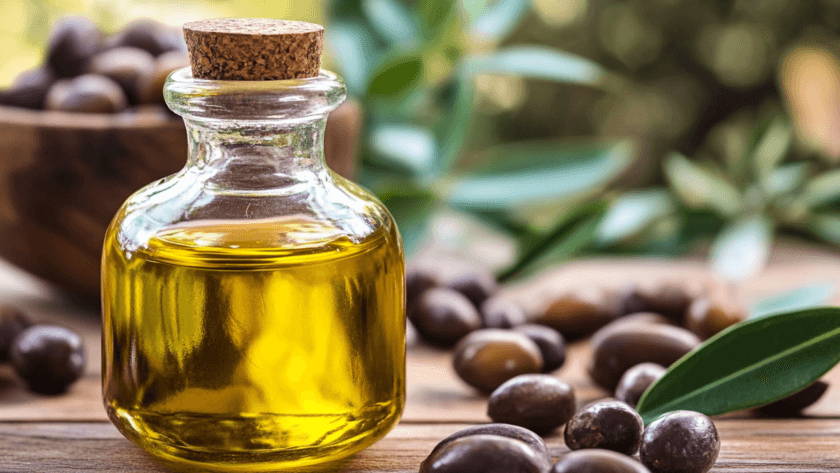
Though it’s often referred to as an “oil,” jojoba oil is technically a liquid wax. It is extracted from the seeds of the Simmondsia Chinensis shrub, native to the Sonoran Desert in Arizona, California, and northwestern Mexico. The name “jojoba” comes from the Indigenous Tohono O’odham word “hohowi.”
Jojoba oil gained international attention in the 1970s as an eco-friendly alternative to whale oil, helping reduce reliance on sperm whale oil in cosmetics. Since then, it has become a staple in clean beauty, particularly in hair and skin care products.
The best jojoba oils are cold-pressed, golden, organic, and zero-waste, retaining all the beneficial compounds and leaving minimal environmental footprint.
What Makes Jojoba Oil Special?
Unlike coconut or argan oil, jojoba oil closely mimics human sebum — the natural oil your scalp produces. It contains wax esters, rather than triglycerides, which makes it extremely stable and less likely to go rancid.
It’s rich in:
- Vitamin E – antioxidant, promotes hair and scalp health
- B-complex vitamins – strengthen strands
- Zinc and Copper – support hair tissue repair and thickness
- Fatty acids – moisturize and seal hydration
- Antibacterial and antifungal compounds – help keep scalp clear and balanced
10 Proven Benefits of Jojoba Oil for Hair
Seals in Moisture Without Greasiness
Because jojoba oil doesn’t penetrate the hair shaft as deeply as coconut or olive oil, it sits on the surface and locks in moisture. This is especially beneficial after washing your hair, when it’s slightly damp. Applying jojoba oil creates a barrier that prevents water loss, keeping your strands soft and hydrated.
Soothes and Balances the Scalp
Jojoba’s similarity to sebum makes it ideal for balancing oil production. If your scalp is dry, jojoba oil moisturizes without clogging pores. If it’s oily, jojoba can signal the scalp to reduce overproduction. This helps reduce flakiness, itchiness, and irritation caused by imbalanced scalp conditions.
Reduces Dandruff and Flaky Scalp
Thanks to its antifungal and antibacterial properties, jojoba oil can help combat dandruff naturally. It restores the scalp’s pH and removes product buildup, which can block follicles and contribute to greasy flakes.
Strengthens Hair and Reduces Breakage
Jojoba oil forms a protective layer on each strand, reducing friction, split ends, and breakage. This makes it an excellent leave-in treatment before brushing or heat styling. It also works well as a sealant to protect hair from sun exposure and environmental damage.
Nourishes Curls and Coily Hair
Curly and coily textures often struggle with dryness because sebum has a hard time traveling down the twists of the hair shaft. Jojoba oil can step in as a natural sebum substitute, moisturizing the ends without making curls feel greasy or heavy.
Tames Frizz and Flyaways
If you deal with frizzy, poofy, or unmanageable hair, jojoba oil could be your best friend. Since frizz often occurs when dry hair tries to absorb moisture from the air, jojoba oil’s sealing ability prevents this process and keeps your hair sleek and smooth.
Encourages Scalp Circulation and Hair Growth (Indirectly)
While research doesn’t support jojoba oil as a direct hair growth stimulator like minoxidil or peppermint oil, it creates optimal conditions for healthy growth. By unclogging follicles, reducing inflammation, and nourishing the scalp, jojoba helps hair grow stronger and healthier.
Repairs Heat and Styling Damage
Jojoba oil acts as a heat protectant by coating strands and preventing damage from blow-drying, flat ironing, or curling. It also helps mend rough or cracked cuticles, minimizing the look and feel of damage.
Adds Natural Shine
Despite being a wax ester, jojoba oil is remarkably light and glossy. It adds a healthy shine to hair without making it look greasy or weighed down. Think of it as a natural alternative to synthetic shine serums.
Washes Out Easily
Unlike heavier oils, jojoba rinses out without leaving behind a sticky or oily residue. If you’re new to using oils in your hair, jojoba is a safe and beginner-friendly option.
How to Use Jojoba Oil for Hair
Incorporating jojoba oil into your routine is simple and customizable depending on your hair type and goals.
Pre-Wash Scalp Treatment
Apply 1–2 tablespoons of warm jojoba oil to your scalp and gently massage it in for 5–10 minutes. Let it sit for 20 minutes before washing your hair. This helps:
- Loosen buildup
- Moisturize the scalp
- Prepare follicles for healthy growth
Great for: Dry scalp, dandruff, and itchy scalp
Leave-In Conditioner
After washing, apply a few drops to your damp hair, focusing on mid-lengths and ends. Avoid the scalp unless you have very dry skin there.
Great for: Dry, frizzy, curly, or color-treated hair
Frizz Tamer & Shine Serum
Rub 2–3 drops between your palms and lightly smooth over styled hair to tame flyaways and add shine. Perfect for sleek ponytails or polished waves.
Great for: All hair types
Overnight Hair Mask
For an intense moisture boost, apply jojoba oil generously to your hair at night, put on a shower cap or towel, and wash it out in the morning. You can also mix it with coconut or argan oil for deeper conditioning.
Great for: Very dry, damaged, or overprocessed hair
Mix Into Products
Add 3–5 drops to your favorite shampoo or conditioner for a moisture boost.
Buy Jojoba-Infused Products
Choose shampoos, conditioners, or styling creams that include jojoba oil. Look for products with “organic cold-pressed jojoba oil” high on the ingredient list for maximum benefits.
Who Should Use Jojoba Oil?
Jojoba oil is suitable for most hair types, including:
- Dry hair
- Curly or coily textures
- Frizzy or flyaway-prone hair
- Color-treated or damaged hair
- Sensitive or flaky scalp
Avoid heavy use if your scalp is extremely oily or prone to buildup. In such cases, use jojoba oil sparingly or only on the ends.
Are There Any Risks?
Jojoba oil is non-toxic, hypoallergenic, and safe for most users. However:
- Always do a patch test before full application, especially if you have sensitive skin or allergies.
- Avoid applying large amounts directly to the scalp daily — this can clog pores or create buildup over time.
Jojoba Oil vs Other Popular Oils
| Oil | Penetration | Sealing | Ideal For | Lightweight? |
|---|---|---|---|---|
| Jojoba | No | Yes | Scalp, curls, daily use | ✅ |
| Coconut | Yes | No | Deep conditioning | ❌ (can be heavy) |
| Argan | Yes | Mild | Shine and heat protection | ✅ |
| Castor | No | Yes | Hair growth rituals | ❌ (very thick) |
Jojoba strikes the perfect balance between nourishing and non-greasy, making it versatile for everyday hair care.
Final Thoughts: Why Jojoba Oil Deserves a Spot in Your Hair Routine
Jojoba oil might be ancient in origin, but its benefits are undeniably modern. With its unique ability to seal in moisture, balance the scalp, reduce frizz, and enhance shine, it offers a gentle yet effective solution for almost any hair issue.
Whether you’re seeking healthier curls, a hydrated scalp, or an eco-conscious alternative to synthetic ingredients, jojoba oil could be your hair’s new best friend. Lightweight, multi-tasking, and easy to use — it’s time to make this desert-born oil your next beauty essential.