 San
San When it comes to hair care, one of the most common questions is: how often should you wash your hair? The answer isn’t one-size-fits-all. It depends on several factors, including your hair type, scalp condition, and the level of damage your hair has sustained. In this comprehensive guide, we’ll explore the best practices for washing your hair and how to tailor them to your unique needs.
Contents
Understanding Your Hair Type
Your hair type plays a significant role in determining how often you should wash it. Hair types generally fall into four categories:
- Straight Hair: Known for its smooth texture, straight hair tends to get oily faster because natural oils travel down the hair shaft more easily.
- Wavy Hair: With a texture that’s between straight and curly, wavy hair can be prone to frizz and uneven oil distribution.
- Curly Hair: Curly hair has more volume and bounce but can also be drier because natural oils struggle to reach the ends.
- Coily Hair: Also known as kinky hair, coily hair is the most fragile and requires the most moisture.
Hair Damage and Its Impact
Hair damage, whether caused by heat styling, chemical treatments, or environmental factors, affects how often you should wash your hair. Damaged hair often needs less frequent washing to prevent further dryness and breakage. Using nourishing shampoos and conditioners specifically designed for damaged hair can help restore its health over time.
How Often to Wash Based on Hair Type
Straight Hair
- Wash Frequency: 2-3 times per week
- Why: Straight hair tends to get greasy faster due to the easy movement of oils from the scalp to the hair shaft.
- Tips: Use a lightweight, volumizing shampoo and conditioner. Incorporate a clarifying shampoo once a month to remove buildup.
Wavy Hair
- Wash Frequency: 2-3 times per week
- Why: Wavy hair balances oiliness and dryness but can become frizzy if overwashed.
- Tips: Opt for sulfate-free shampoos to retain moisture. A hydrating conditioner or leave-in treatment can help combat frizz.
Curly Hair
- Wash Frequency: 1-2 times per week
- Why: Curly hair is naturally dry, and frequent washing can strip it of essential oils.
- Tips: Use a co-wash (conditioner-only wash) for midweek refreshes. Deep condition weekly to maintain hydration.
Coily Hair
- Wash Frequency: Once a week or every 10 days
- Why: Coily hair is the driest and most delicate, requiring minimal washing to preserve moisture.
- Tips: Choose a sulfate-free, nourishing shampoo. Always follow with a rich conditioner or a hair mask.
How Hair Damage Affects Washing Frequency
If your hair is damaged, it’s crucial to adjust your washing routine to prevent further harm. Damaged hair often needs extra care to maintain its integrity.
Heat-Damaged Hair
- Wash Frequency: 1-2 times per week
- Why: Heat-damaged hair is prone to dryness and breakage.
- Tips: Use protein-infused shampoos and conditioners to strengthen your hair. Limit heat styling and always use a heat protectant.
Chemically Treated Hair (Colored, Bleached, or Relaxed)
- Wash Frequency: Once a week or every 5-7 days
- Why: Chemical treatments can make hair more porous and prone to losing moisture.
- Tips: Opt for color-safe or reparative shampoos and conditioners. Deep conditioning masks are a must to replenish lost moisture.
Environmentally Damaged Hair
- Wash Frequency: 2-3 times per week
- Why: Exposure to sun, wind, and pollution can lead to buildup and dryness.
- Tips: Incorporate a clarifying shampoo into your routine to remove environmental residue. Use UV-protectant hair products for added protection.
Scalp Health: A Key Factor in Washing Frequency
Your scalp condition is just as important as your hair type when determining how often to wash your hair.
Oily Scalp
- Wash Frequency: Every other day
- Tips: Use a purifying shampoo to control excess oil. Avoid heavy conditioners and styling products that can weigh down your hair.
Dry Scalp
- Wash Frequency: 1-2 times per week
- Tips: Opt for moisturizing shampoos and conditioners with ingredients like argan oil or shea butter. Avoid harsh sulfates that can strip natural oils.
Dandruff or Scalp Conditions
- Wash Frequency: 2-3 times per week
- Tips: Use medicated shampoos specifically formulated for dandruff. Consult a dermatologist for persistent issues.
Hair-Washing Routine
No matter your hair type or level of damage, there are ways to optimize your washing routine:
- Pre-Wash Treatments: Oils like coconut or argan oil can provide extra hydration and protection before shampooing.
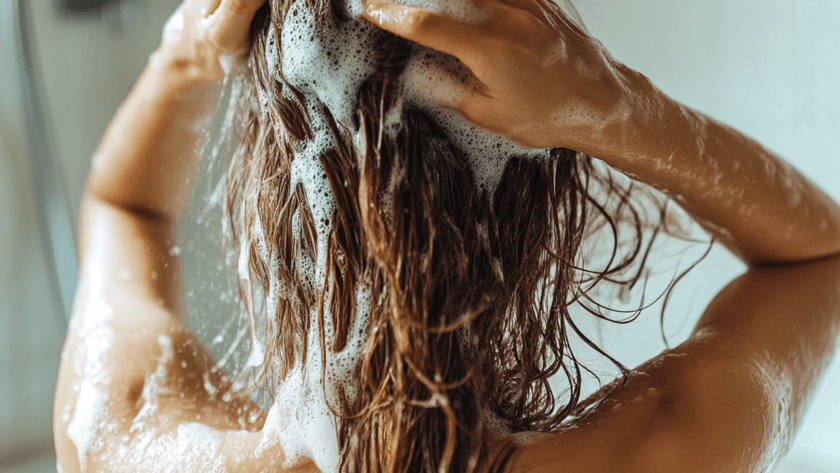
- Shampoo Technique: Focus on your scalp when shampooing, as this is where oil and dirt accumulate. Let the lather run down the hair shaft without scrubbing.
- Conditioning Tips: Apply conditioner primarily to the mid-lengths and ends of your hair to avoid weighing down the roots.
- Post-Wash Care: Use a leave-in conditioner or serum to lock in moisture and protect against environmental damage.
When to Break the Rules
Sometimes, your lifestyle or activities may require deviations from your regular washing routine:
- After Workouts: Sweat can make your scalp feel dirty. If you exercise frequently, consider rinsing with water or using a dry shampoo instead of washing daily.
- Special Occasions: Styling products can lead to buildup. If you’ve used heavy products, a clarifying shampoo might be necessary.
- Seasonal Changes: Adjust your routine based on the weather. For instance, you might need more moisture in winter and less in summer.
Hair Washing Myths Debunked
Myth 1: Washing Your Hair Daily Is Essential
Truth: Overwashing can strip your hair of its natural oils, leading to dryness and breakage. Most people don’t need to wash their hair daily.
Myth 2: Your Hair Adjusts to Less Frequent Washing
Truth: While your scalp may produce less oil over time, your hair type and lifestyle ultimately dictate how often you should wash.
Myth 3: Only Expensive Products Work
Truth: Affordable shampoos and conditioners can be just as effective if they contain the right ingredients for your hair type.
Conclusion
How often you should wash your hair depends on a combination of factors, including your hair type, level of damage, and scalp condition. By understanding these elements, you can create a personalized hair care routine that keeps your locks healthy and beautiful. Remember to use the right products, adjust your routine as needed, and always prioritize the health of your hair and scalp.
For more tips on hair care and maintaining luscious locks, check out our other articles! If you found this guide helpful, don’t forget to share it with friends who might benefit from it.