 San
San Hair growth can be influenced by various factors, including genetics, diet, and hair care practices. However, incorporating the right hair oils into your routine can support growth, strengthen strands, and enhance scalp health. In this guide, we explore the top seven oils for hair growth, their benefits, and tips to maximize their effectiveness.
Contents
- 1 Coconut Oil: A Nourishing Solution for Hair Growth
- 2 Rosemary Oil: The Best Natural Remedy for Hair Growth
- 3 Castor Oil: A Must-Have for Thicker Hair
- 4 Argan Oil: Protect and Nourish Your Hair
- 5 Amla Oil: The Ayurvedic Secret to Hair Growth
- 6 Jojoba Oil: A Lightweight Moisturizer for Healthy Hair
- 7 Peppermint Oil: Invigorate Your Scalp
- 8 Tips to Maximize the Benefits of Hair Growth Oils
- 9 Common FAQs About Hair Oils
- 10 Conclusion
Coconut Oil: A Nourishing Solution for Hair Growth
Benefits:
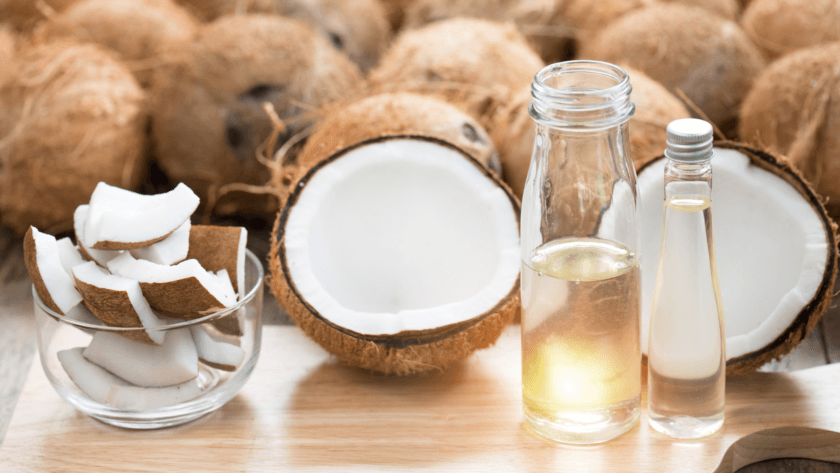
Coconut oil is celebrated for its deep-penetrating properties, thanks to its rich content of fatty acids, particularly lauric acid. This allows it to nourish and strengthen hair from the inside out, preventing breakage and promoting length retention. Additionally, its antimicrobial properties keep the scalp healthy and free from infections.
How to Use:
- Warm a small amount of coconut oil in your hands.
- Massage it into your scalp, focusing on areas prone to dryness or thinning.
- Leave it on for at least an hour or overnight for deeper conditioning.
- Wash it out with a gentle shampoo.
Pro Tip: For added benefits, mix coconut oil with a few drops of essential oils like lavender or rosemary.
Rosemary Oil: The Best Natural Remedy for Hair Growth
Benefits:
Rosemary oil is a powerful solution for stimulating hair growth. It improves blood circulation to the scalp, which nourishes hair follicles and encourages healthier growth. Research has shown that rosemary oil is as effective as certain medicated treatments for hair thinning, making it a top choice for natural care. It also helps reduce dandruff and soothe itchy scalps.
How to Use:
- Alternatively, add a few drops to your shampoo or conditioner for regular use.
- Dilute a few drops of rosemary oil with a carrier oil, such as jojoba or almond oil.
- Massage it gently into your scalp.
- Leave it on for at least 30 minutes before washing your hair.
Castor Oil: A Must-Have for Thicker Hair
Benefits:
Castor oil is rich in ricinoleic acid and omega-6 fatty acids, making it a go-to remedy for those seeking thicker, stronger hair. It locks in moisture, reduces split ends, and addresses scalp conditions like dandruff or itchiness. Its antifungal properties also help maintain a healthy scalp environment.
How to Use:
- Apply castor oil directly to your scalp and hair, focusing on the ends.
- To make it easier to apply, mix it with a lighter oil like olive oil.
- Leave it on for a few hours or overnight.
- Rinse thoroughly with shampoo to avoid residue.
Pro Tip: For even distribution, use a small brush or applicator to apply castor oil.
Argan Oil: Protect and Nourish Your Hair
Benefits:
Often called “liquid gold,” argan oil is packed with antioxidants, vitamin E, and essential fatty acids. While it doesn’t directly stimulate hair growth, it’s excellent for repairing damage, preventing breakage, and protecting hair from heat and environmental stressors. It leaves hair smooth, shiny, and frizz-free.
How to Use:
- For heat protection, apply a small amount before using styling tools.
- Use a few drops of argan oil as a leave-in conditioner on damp hair.
- Apply it to the ends to seal in moisture and reduce split ends.
Amla Oil: The Ayurvedic Secret to Hair Growth
Benefits:
Amla oil, derived from Indian gooseberry, has been a staple in Ayurvedic medicine for centuries. It strengthens hair, reduces hair fall, and stimulates growth. Its high vitamin C content boosts collagen production, which is essential for healthy hair. Amla oil also helps darken hair naturally, reducing the appearance of grays.
How to Use:
- Regular use can lead to shinier, thicker hair.
- Warm a small amount of amla oil.
- Massage it into your scalp and hair.
- Leave it on for 1–2 hours before washing it out.
Jojoba Oil: A Lightweight Moisturizer for Healthy Hair
Benefits:
Jojoba oil closely resembles the natural oils produced by the scalp (sebum), making it an excellent choice for hydration without weighing hair down. It’s rich in vitamins E and B, as well as minerals like zinc, which promote hair growth and repair damage. Its antibacterial properties also help maintain a healthy scalp.
How to Use:
- Use jojoba oil as a pre-shampoo treatment by massaging it into your scalp.
- Add a few drops to your conditioner for added hydration.
- Apply a small amount to the ends as a finishing oil to prevent split ends.
Peppermint Oil: Invigorate Your Scalp
Benefits:
Peppermint oil’s cooling sensation not only refreshes the scalp but also stimulates blood flow to hair follicles. This increased circulation can encourage faster and healthier hair growth. Its antimicrobial properties make it effective for addressing dandruff and scalp irritations.
How to Use:
- Dilute peppermint oil with a carrier oil, such as coconut or olive oil.
- Massage the mixture into your scalp.
- Leave it on for 20–30 minutes before washing it out.
Caution: Always perform a patch test, as peppermint oil’s potency can cause irritation in some individuals.
Tips to Maximize the Benefits of Hair Growth Oils
- Scalp Massage: Gently massaging your scalp enhances circulation, ensuring better absorption of the oils.
- Consistency is Key: Use these oils at least 1–2 times a week to see noticeable results over time.
- Heat Therapy: Cover your head with a warm towel after applying oil to boost penetration into the scalp and hair shaft.
- Combine Oils: Mixing oils like coconut and rosemary or castor and jojoba can create a customized treatment tailored to your hair’s needs.
- Diet and Hydration: Pair your hair care routine with a balanced diet and adequate water intake to support hair health from within.
Common FAQs About Hair Oils
1. How long should I leave oil on my hair? For most oils, 1–2 hours is sufficient, but leaving them on overnight can provide deeper nourishment. Always rinse thoroughly to avoid residue.
2. Can I use multiple oils at once? Yes, combining oils can enhance their benefits. For instance, mixing castor oil with jojoba oil can provide both hydration and thickness.
3. How often should I oil my hair? Aim for 1–2 times a week. Over-oiling can lead to buildup, so adjust based on your hair type and needs.
4. Are these oils safe for all hair types? Generally, yes. However, individuals with fine or oily hair should use lighter oils like argan or jojoba, while those with dry or coarse hair can benefit from heavier oils like coconut or castor.
Conclusion
Incorporating these top seven oils—coconut, rosemary, castor, argan, amla, jojoba, and peppermint—into your hair care routine can significantly improve the health and appearance of your hair. Each oil offers unique benefits, from stimulating growth to repairing damage and hydrating strands. Experiment with different oils to find the best fit for your hair type, and remember to stay consistent for optimal results.
Healthy, luscious locks are within reach with the right care and commitment. Start your journey to better hair today!