 San
San When it comes to scalp issues, two common concerns often get confused: dandruff and dry scalp. Both conditions involve flakes, itching, and discomfort, making them hard to tell apart. However, they differ significantly in their causes, symptoms, and treatments. In this article, we’ll explore the differences between dandruff and dry scalp, what causes these conditions, and the most effective ways to manage them.
Contents
What Is a Dry Scalp?
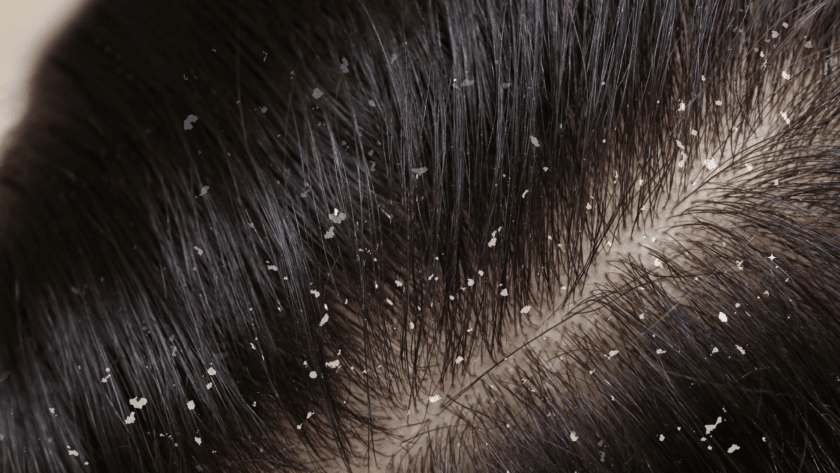
A dry scalp occurs when the skin on your scalp doesn’t produce or retain enough natural oils to stay hydrated. This can lead to dryness, flaking, and itching, similar to how dry skin appears on other parts of the body. Dry scalp often results in small, white flakes and a sensation of tightness or discomfort.
Symptoms of a Dry Scalp
- Small, fine white flakes
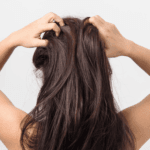
- Tight, itchy scalp
- Dull, frizzy hair
- Skin that feels sensitive or irritated
- Flakes that are more noticeable on dark clothing or hair
Causes of a Dry Scalp
- Environmental Factors: Cold weather, low humidity, or overexposure to sunlight can dry out the scalp.
- Overwashing: Frequent washing strips the scalp of its natural oils, leading to dryness.
- Hair Products: Harsh shampoos, dyes, or styling products can irritate and dehydrate the scalp.
- Skin Type: Naturally dry skin can predispose you to a dry scalp.
- Medical Conditions: Certain hormonal imbalances or medications can also lead to dryness.
What Is Dandruff?
Dandruff, medically referred to as pityriasis capitis, is a condition characterized by excessive flaking of the scalp. It often involves an overproduction of skin cells due to factors like fungal overgrowth or sebaceous gland activity. Unlike dry scalp, dandruff can occur regardless of your skin type and often produces larger, oily flakes that may stick to your hair or scalp.
Symptoms of Dandruff
- Large, oily white or yellow flakes
- Persistent itching
- Scalp redness or inflammation
- Greasy or oily hair
- Flakes that are more visible on the scalp and hairline
Causes of Dandruff
- Fungal Overgrowth: A yeast-like fungus called Malassezia lives on the scalp and thrives in oily conditions. Overgrowth can lead to dandruff.
- Excess Sebum: Overactive oil glands can trap dead skin cells, forming visible flakes.
- Seborrheic Dermatitis: A chronic inflammatory condition causing redness, itching, and flaking.
- Stress: High stress levels can worsen dandruff symptoms.
- Hair Products: Sensitivity to certain shampoos or treatments can trigger dandruff.
Dry Scalp vs. Dandruff: How to Tell the Difference
Although both conditions share some symptoms, their underlying causes and presentations differ:
| Feature | Dry Scalp | Dandruff |
|---|---|---|
| Flakes | Small, white, dry flakes | Larger, oily white or yellow flakes |
| Scalp Condition | Tight, dry, sensitive | Red, inflamed, or oily |
| Hair Condition | Often dry and frizzy | Can be oily or normal |
| Cause | Lack of moisture | Fungal overgrowth, excess oil production |
| Triggers | Environmental factors, harsh products | Seborrheic dermatitis, stress, fungal growth |
Treatment for Dry Scalp
Restoring moisture to the scalp is key when treating a dry scalp. Here are some effective methods:
Adjust Your Diet
Include foods rich in omega-3 fatty acids and vitamin E, which promote healthy skin and scalp.
Switch to Gentle Products
Use shampoos and conditioners designed for sensitive scalps. Look for hydrating ingredients like:
- Aloe vera
- Glycerin
- Coconut oil
Limit Washing Frequency
Washing your hair less often helps retain the scalp’s natural oils. Aim for 2–3 times a week with lukewarm water.
Moisturizing Treatments
Apply scalp oils or hair masks with nourishing ingredients such as argan oil or shea butter to replenish hydration.
Avoid Heat Styling
Reduce the use of blow dryers, curling irons, and straighteners, as heat can further dry out the scalp.
Treatment for Dandruff
Managing dandruff often requires targeting its root causes, such as fungal overgrowth or excessive oil production. Here’s how:
Consult a Dermatologist
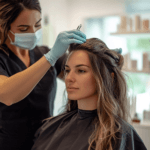
For persistent or severe dandruff, professional treatments like medicated shampoos or prescription antifungals may be necessary.
Anti-Dandruff Shampoos
Look for shampoos with active ingredients like:
- Zinc pyrithione: Reduces fungal growth.
- Ketoconazole: Antifungal properties.
- Salicylic acid: Helps exfoliate dead skin cells.
Regular Scalp Exfoliation
Use a scalp scrub to remove flakes and prevent buildup.
Avoid Heavy Oils
Oils can worsen dandruff by creating an ideal environment for fungus to thrive.
Stress Management
Practice relaxation techniques like yoga or meditation to reduce stress-related dandruff flare-ups.
Other Causes of a Flaky Scalp
While dandruff and dry scalp are the most common culprits, other conditions may also cause flaking:
- Lice Infestation
Lice can cause itching and flaking, though the flakes are typically nits or eggs. - Psoriasis
A chronic autoimmune condition that causes thick, scaly patches on the scalp. - Eczema
A skin condition characterized by itchy, red, and flaky skin. - Allergic Reactions
Sensitivity to hair products or ingredients can lead to scalp irritation. - Tinea Capitis (Scalp Ringworm)
A fungal infection causing round, scaly patches and hair loss.
Preventing Scalp Issues
Adopting a proactive approach to scalp care can help prevent both dandruff and dry scalp:
- Use Sulfate-Free Products
Harsh detergents in shampoos can strip the scalp of natural oils. - Hydrate Regularly
Drink plenty of water to maintain skin hydration. - Protect Your Scalp
Wear hats or scarves in extreme weather conditions to shield your scalp from dryness or sun damage. - Avoid Overuse of Styling Products
Build-up from gels, sprays, and mousses can exacerbate flaking. - Maintain a Balanced Diet
A nutrient-rich diet supports overall scalp health.
Conclusion
Understanding the differences between dandruff and dry scalp is crucial for effective treatment. While dry scalp results from a lack of moisture, dandruff involves fungal overgrowth and excessive oil production. Tailoring your scalp care routine to address the specific condition will help you achieve healthier, flake-free hair. If you’re unsure about your symptoms or treatments, consult a dermatologist for personalized advice.